


What Is ePRO in Clinical Trials?
Complete Guide to Electronic Patient-Reported Outcomes (ePRO) Systems in 2026
Executive Summary
Electronic Patient-Reported Outcomes (ePRO) systems are digital platforms used in clinical trials to collect health data directly from patients without interpretation from clinicians or site staff. These systems allow participants to report symptoms, treatment experiences, quality of life metrics, and other health outcomes remotely through smartphones, tablets, or web-based applications.
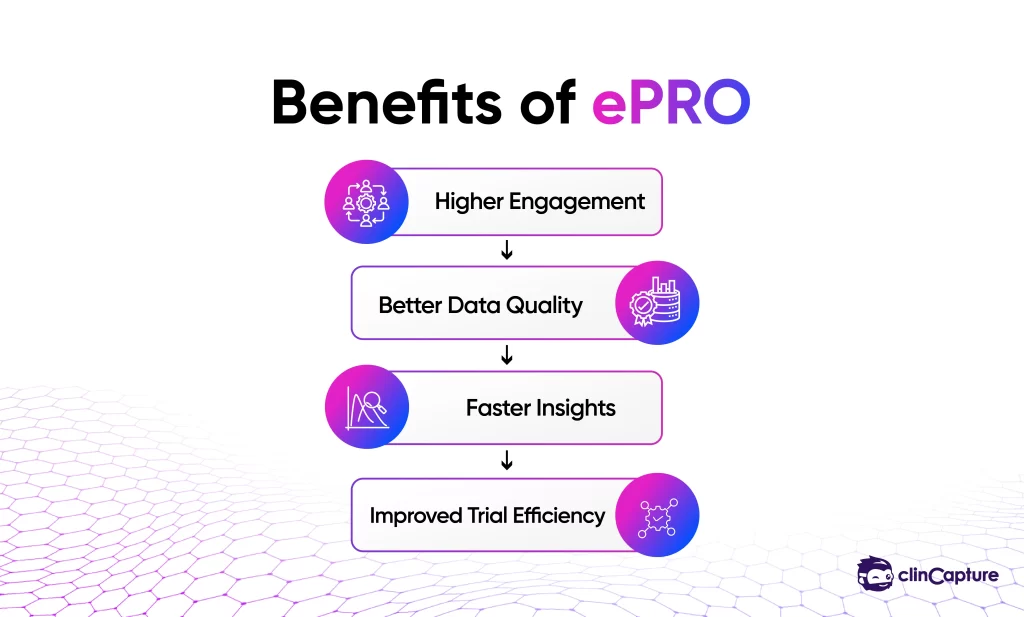
As decentralized and hybrid clinical trials continue to grow, ePRO technology has become a critical component of modern clinical research infrastructure. By enabling real-time remote data collection, ePRO systems improve patient engagement, increase data accuracy, and reduce operational burden for sponsors and research teams.
Modern platforms such as Captivate VDC: ePRO are designed to support seamless patient data collection across decentralized clinical trial environments while maintaining regulatory compliance and patient accessibility.
Quick Answer
What is ePRO in clinical trials?
ePRO (Electronic Patient-Reported Outcomes ) is a digital system used in clinical trials to collect health information directly from patients through electronic devices such as smartphones, tablets, or web applications. ePRO systems help researchers capture patient symptoms, treatment experiences, and quality-of-life data remotely and in real time.
Introduction: Why Patient-Reported Data Matters
Clinical trials are designed to evaluate how treatments affect patients, but for many years, much of the data collected came primarily from investigators and clinical staff.
Patient-reported outcomes changed this approach by allowing participants to directly report how they feel during a study. This includes information such as:
-
 symptoms
-
side effects
-
pain levels
-
daily functioning
-
treatment satisfaction
This type of information provides critical insight into the patient experience and helps researchers better understand treatment effectiveness beyond traditional clinical measurements.
As clinical trials become more patient-centric and decentralized, the importance of ePRO systems continues to increase.
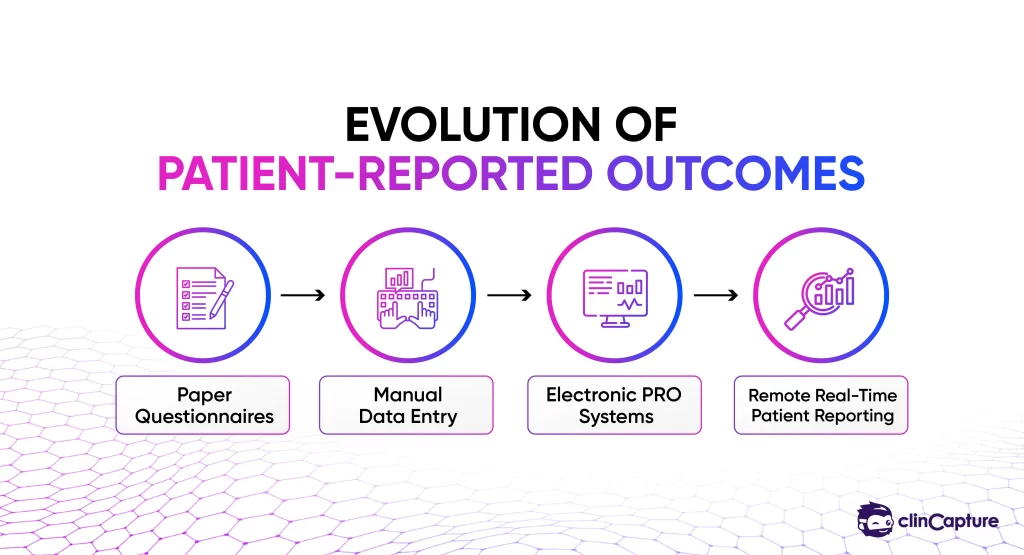
Evolution from Paper PRO to ePRO
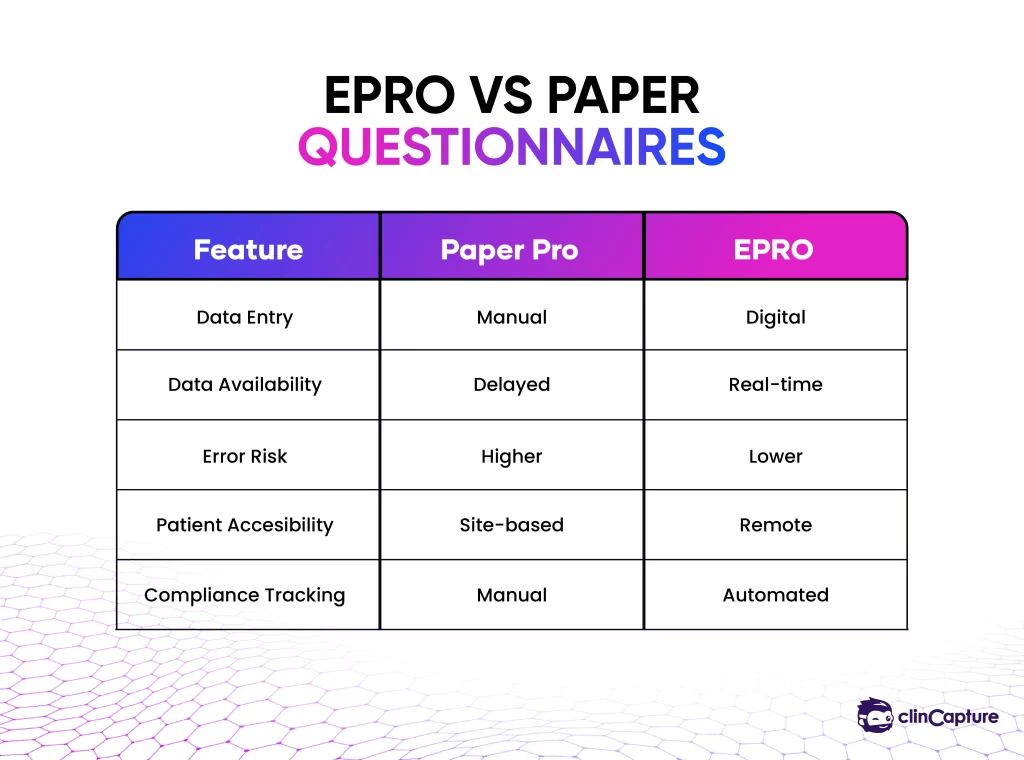
Historically, patient-reported outcomes were collected using paper questionnaires completed during clinic visits. While effective in some cases, paper-based systems created several operational and data quality challenges.
Common issues included:
-
delayed data availability
-
incomplete questionnaires
-
manual transcription errors
-
reduced patient compliance
The transition to electronic systems significantly improved how patient-reported data is captured and managed.
What Is an ePRO System?
An ePRO system is a digital platform that allows patients to submit health-related information electronically during a clinical trial.
Instead of completing paper forms at study sites, participants can report information remotely through connected digital devices.
These systems are commonly used to collect:
-
symptom reporting
-
medication adherence
-
quality of life assessments
-
adverse event information
-
treatment experience feedback
Modern platforms such as Captivate VDC: ePRO support these workflows through secure and scalable remote data collection infrastructure.
How ePRO Works in Clinical Trials
ePRO systems are designed to simplify communication between patients and research teams while improving data quality and engagement.
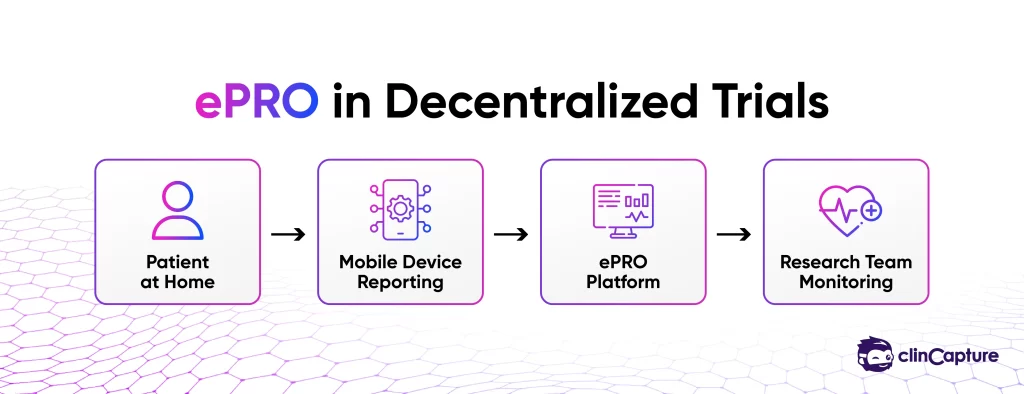
A typical workflow includes:
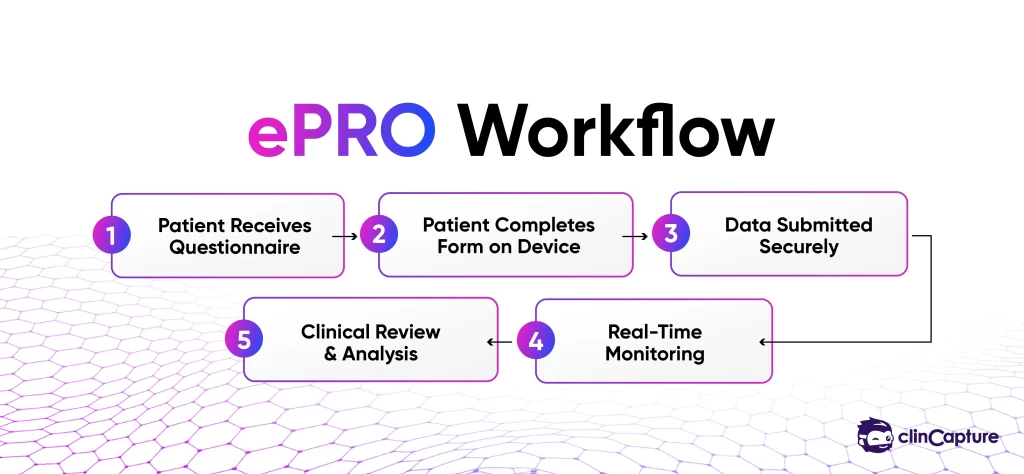
Patients may receive notifications or reminders to complete questionnaires at predefined intervals throughout the study.
Because the data is entered directly by the patient, ePRO systems reduce transcription errors and provide more immediate access to patient-reported outcomes.
Key Features of Modern ePRO Systems
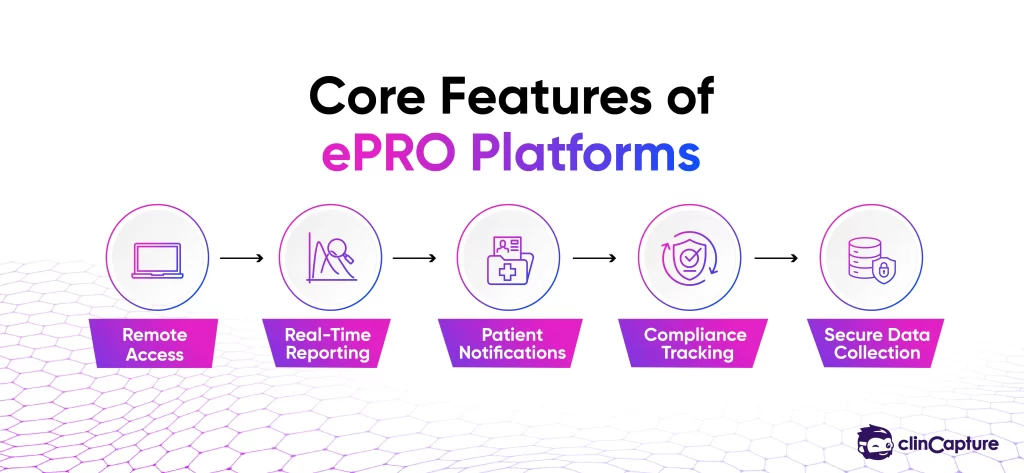
Modern ePRO platforms include a wide range of capabilities designed to support decentralized and hybrid clinical trials.
Some of the most important features include:
Role of ePRO in Decentralized Clinical Trials
ePRO systems are now considered a core component of decentralized clinical trial infrastructure.
In decentralized trials, patients may participate remotely from home rather than visiting clinical sites regularly. ePRO platforms enable these participants to provide study data continuously throughout the trial.
-
remote patient monitoring
-
hybrid trial workflows
-
broader participant access
-
improved patient convenience
Platforms such as Captivate VDC: ePRO are designed specifically to support these modern decentralized environments.
Challenges of ePRO Implementation
While ePRO systems provide major benefits, organizations must also address several implementation challenges.
Some participants may have limited experience using digital devices.
Patients and sites require onboarding to ensure proper usage and adherence.
Platforms must support multiple devices and operating systems.
Patient-reported information must be protected through secure and compliant systems.
Future of ePRO Technology
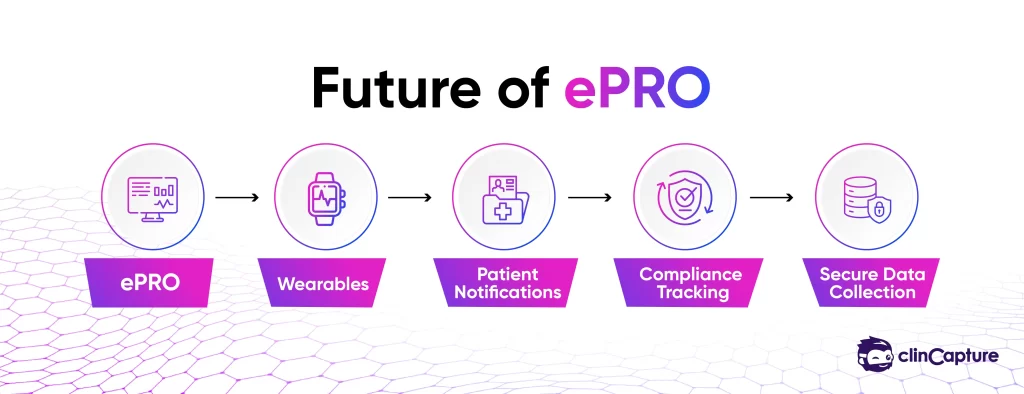
The future of ePRO is closely connected to the broader evolution of decentralized clinical trials.
-
AI-assisted patient engagement
-
integration with wearable devices
-
real-time symptom analytics
-
adaptive patient questionnaires
-
broader remote trial participation
How Captivate Supports Modern ePRO Workflows
Modern decentralized trials require platforms that can support scalable and patient-friendly remote data collection.
-
collect patient-reported outcomes remotely
-
improve patient engagement
-
streamline decentralized workflows
-
support hybrid trial participation
-
enable real-time access to patient data
This aligns with the growing demand for flexible virtual clinical trial infrastructure.