


What Is eConsent in Clinical Trials?
Complete Guide to Electronic Informed Consent (eConsent) Systems in 2026
Executive Summary
Electronic Informed Consent (eConsent) is a digital process used in clinical trials to obtain, manage, and document participant consent electronically. Instead of relying on traditional paper forms, eConsent systems allow participants to review study information, ask questions, and provide consent remotely using digital devices.
As decentralized and hybrid clinical trials continue to expand, eConsent technology has become a critical part of modern patient engagement and remote enrollment workflows. These systems improve accessibility, streamline enrollment processes, and help research organizations maintain compliance while enhancing the participant experience.
Modern platforms such as Captivate VDC: eConsent are designed to support secure, compliant, and patient-friendly consent workflows across decentralized clinical research environments.
Introduction: Why Informed Consent Matters
Informed consent is one of the most important ethical and regulatory components of clinical research. Before participating in a study, patients must understand:
-
 study objectives
-
potential risks
-
possible benefits
-
participation requirements
-
patient rights
Historically, this process relied on lengthy paper documents reviewed during in-person site visits. While effective, paper-based consent processes often created operational challenges and limited flexibility for remote participation.
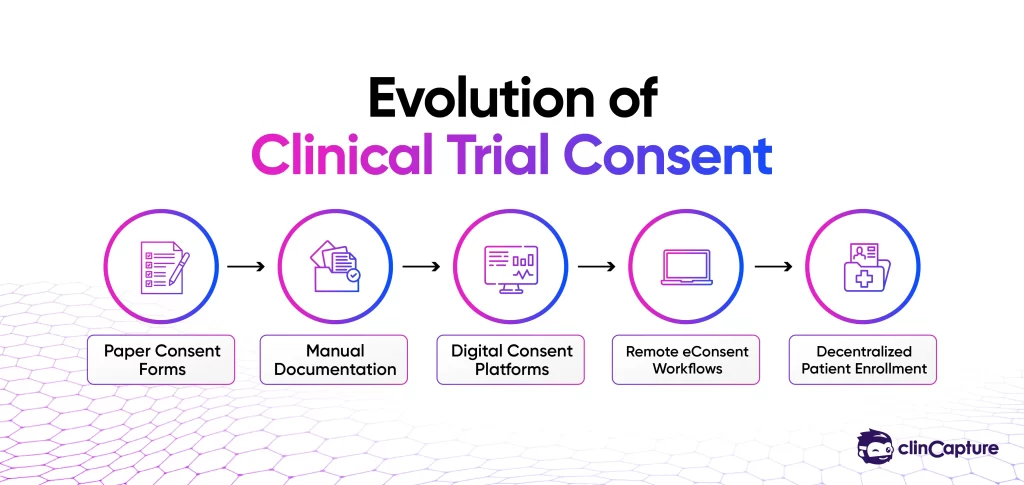
Evolution from Paper Consent to eConsent
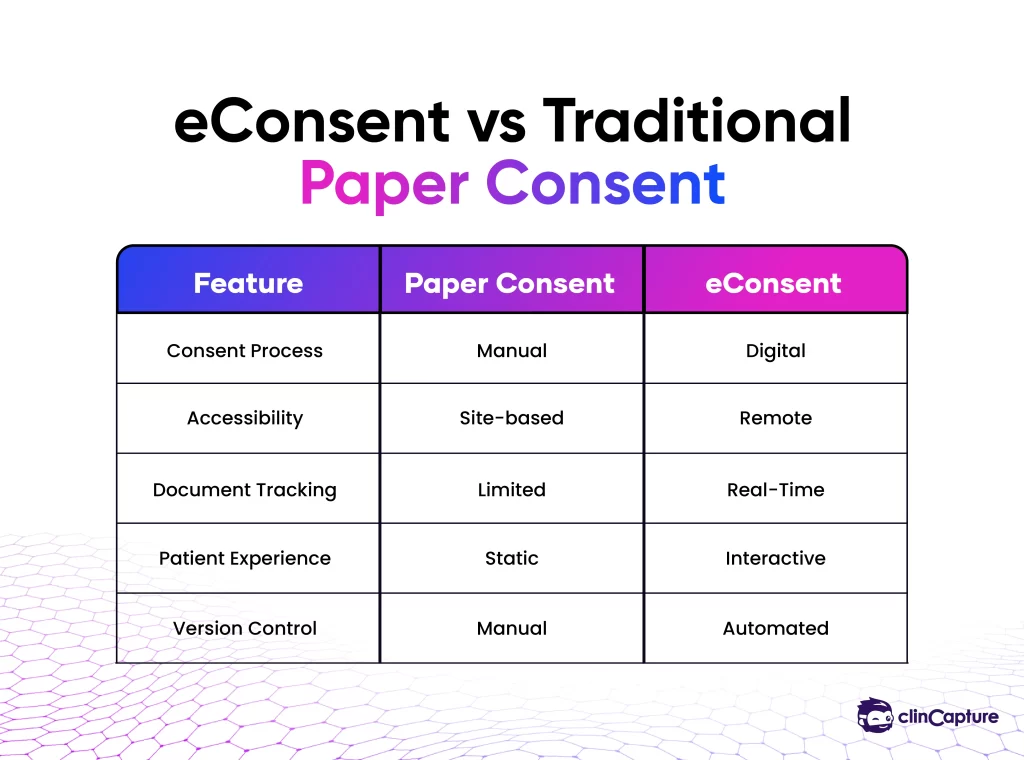
Traditional consent processes involved physical paperwork, manual signatures, and in-person review sessions. These methods often resulted in:
-
delayed enrollment
-
document versioning issues
-
incomplete forms
-
operational inefficiencies
-
reduced accessibility for remote participants
What Is an eConsent System?
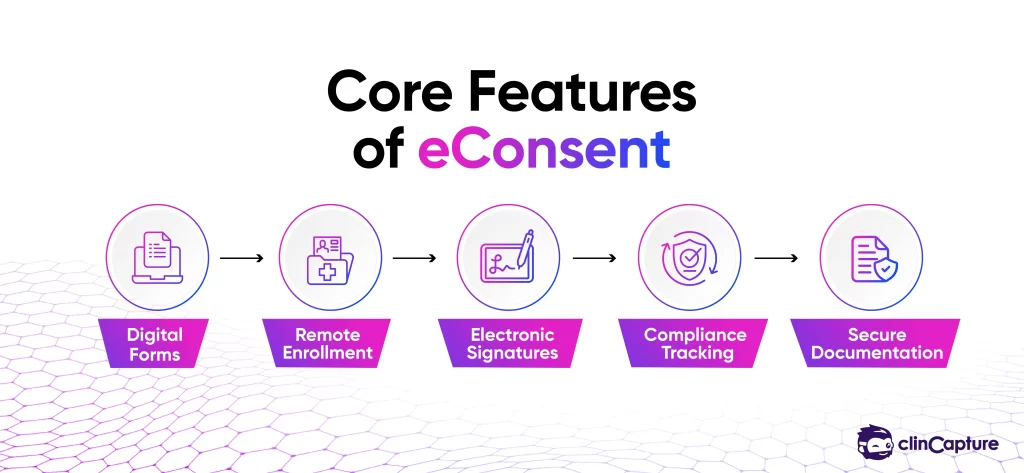
An eConsent system is a digital platform that enables clinical trial participants to review study information and provide legally documented consent electronically.
-
digital consent forms
-
multimedia educational content
-
electronic signatures
-
remote identity verification
-
consent tracking workflows
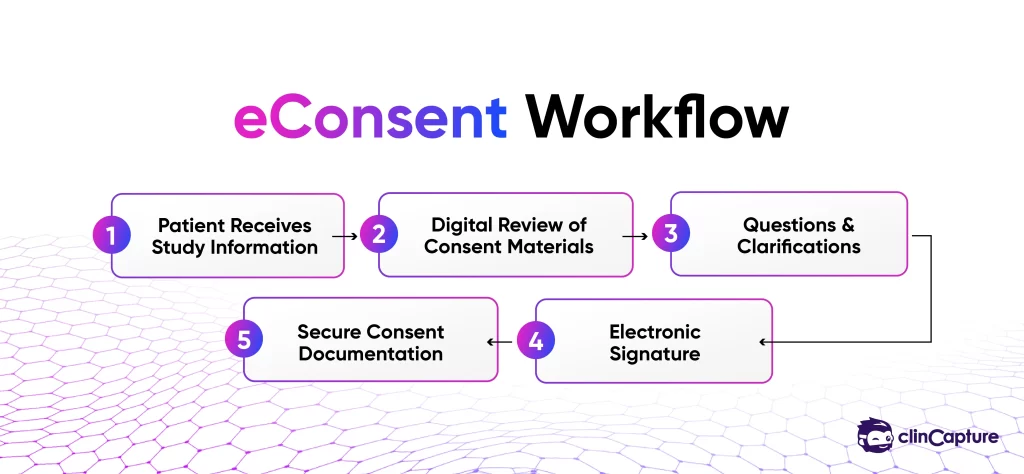
How eConsent Works in Clinical Trials
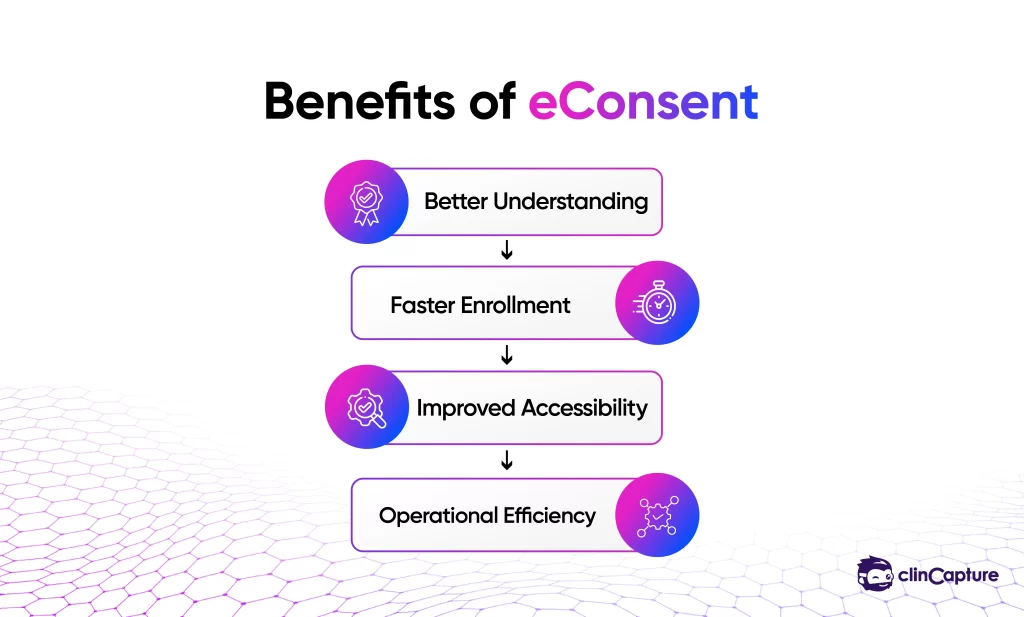
eConsent systems are designed to improve both participant understanding and operational efficiency.
A typical workflow includes:
Role of eConsent in Decentralized Clinical Trials
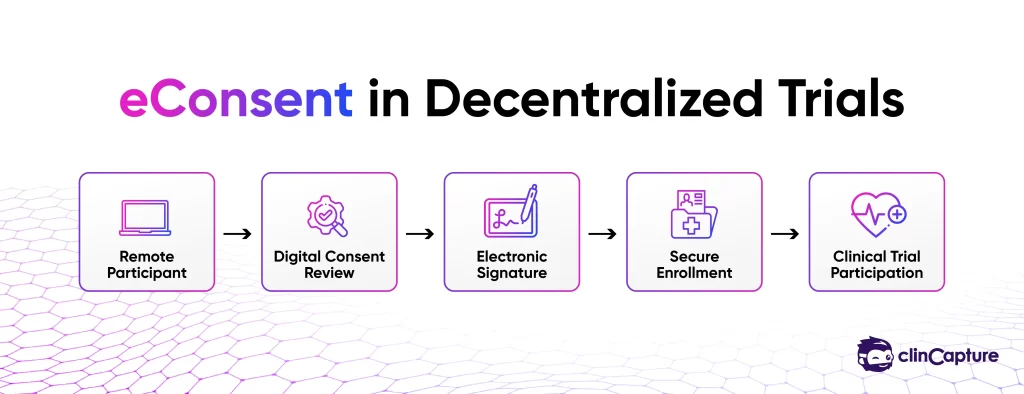
eConsent platforms are now considered essential infrastructure for decentralized and hybrid clinical trial models.
In decentralized trials, participants may enroll remotely without frequent site visits. eConsent systems enable sponsors and research organizations to manage secure digital enrollment workflows while maintaining regulatory oversight.
-
remote patient onboarding
-
decentralized enrollment
-
hybrid trial participation
-
patient-centric trial design
Challenges of eConsent Implementation
Although eConsent systems provide major benefits, organizations must also consider implementation challenges.
Future of eConsent Technology
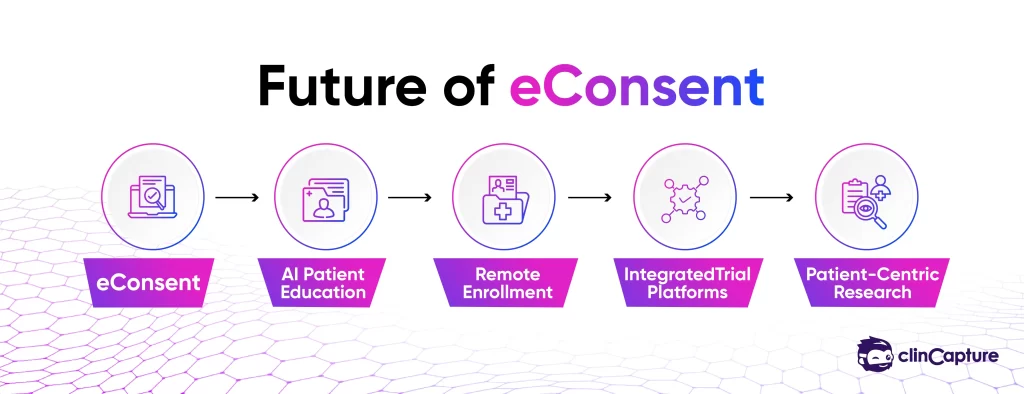
The future of eConsent is closely connected to the broader transformation of decentralized clinical trials.
-
AI-assisted patient education
-
multilingual digital consent workflows
-
adaptive consent experiences
-
integration with remote patient monitoring systems
-
enhanced patient engagement analytics
How Captivate Supports Modern eConsent Workflows
Modern decentralized trials require secure and scalable enrollment infrastructure.
-
streamline digital patient enrollment
-
improve participant accessibility
-
manage secure consent documentation
-
support decentralized trial workflows
-
simplify remote study participation