

How Much Does EDC Software Cost in 2026?
Pricing, Models, and What Sponsors Should Expect
Executive Summary
The cost of Electronic Data Capture (EDC) software in 2026 varies significantly depending on the size, complexity, and operational design of a clinical trial. Unlike traditional SaaS tools, EDC platforms are deeply tied to study structure, regulatory requirements, and data workflows.
In practice, EDC costs can range from $10,000 for small academic studies to over $500,000 for large, global trials. However, the true cost extends beyond licensing and includes setup, integrations, training, and ongoing support.
Modern platforms such as Captivate® EDC by ClinCapture® are designed to provide more affordable and flexible pricing structures that align with the evolving needs of clinical research organizations, CROs, and sponsors.
Quick Answer
How much does EDC software cost?
EDC software typically costs between $10,000 and $500,000+ depending on study complexity, number of sites, duration, and features required. Pricing usually includes setup, licensing, integrations, and support.
Why EDC Pricing Is Not Standardized
Unlike most software categories, EDC pricing cannot be fixed because every clinical trial is different.
A Phase I oncology study with a few sites will have completely different requirements compared to a global Phase III cardiovascular trial involving hundreds of sites.
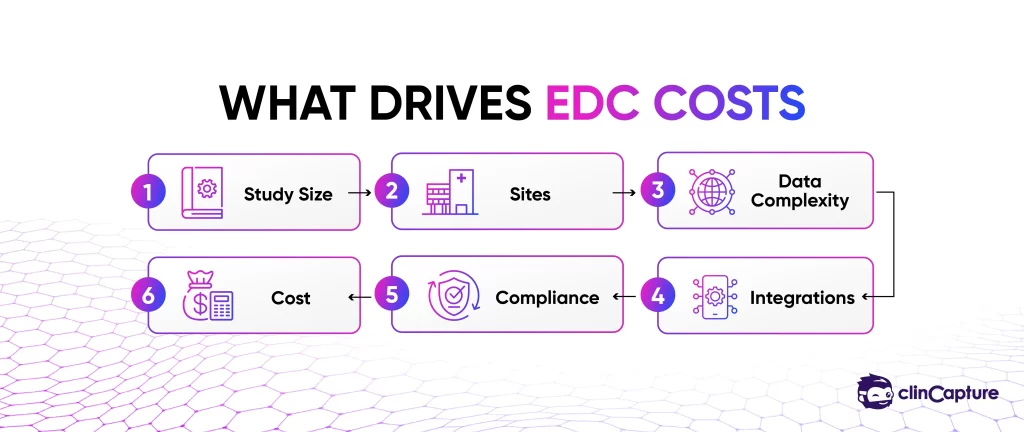
The cost is shaped by several factors:
-
 Study design (simple vs complex protocols)
-
Number of participants and sites
-
Data volume and number of eCRFs
-
Rregulatory and compliance requirements
-
Integration with other systems
Because of this, EDC pricing is best understood as a range rather than a fixed number.
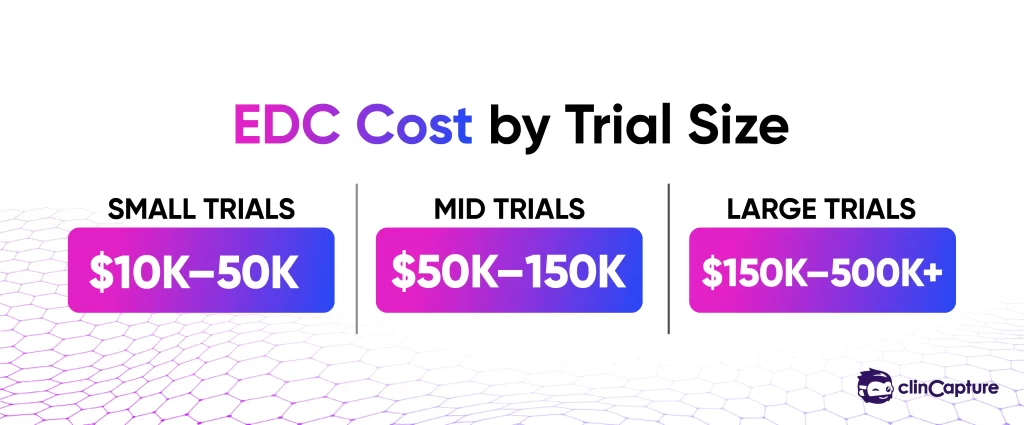
Average EDC Cost Ranges in 2026
To better understand pricing, it helps to break it down by study type.
These trials are typically limited in scope and involve fewer participants.
-
1–5 sites
-
Simple study design
-
Limited number of forms
These studies often prioritize simplicity and cost efficiency over advanced integrations.
These trials introduce more complexity and require stronger data validation and monitoring capabilities.
-
5–50 sites
-
Moderate data complexity
-
Multiple study visits
At this level, organizations start needing:
-
Structured workflows
-
Better reporting
-
Scalable infrastructure
These trials are highly complex and require enterprise-level systems.
-
50+ sites across multiple countries
-
High data volume
-
Strict regulatory oversight
These studies require:
-
Advanced integrations
-
Real-time monitoring
-
Strong compliance infrastructure
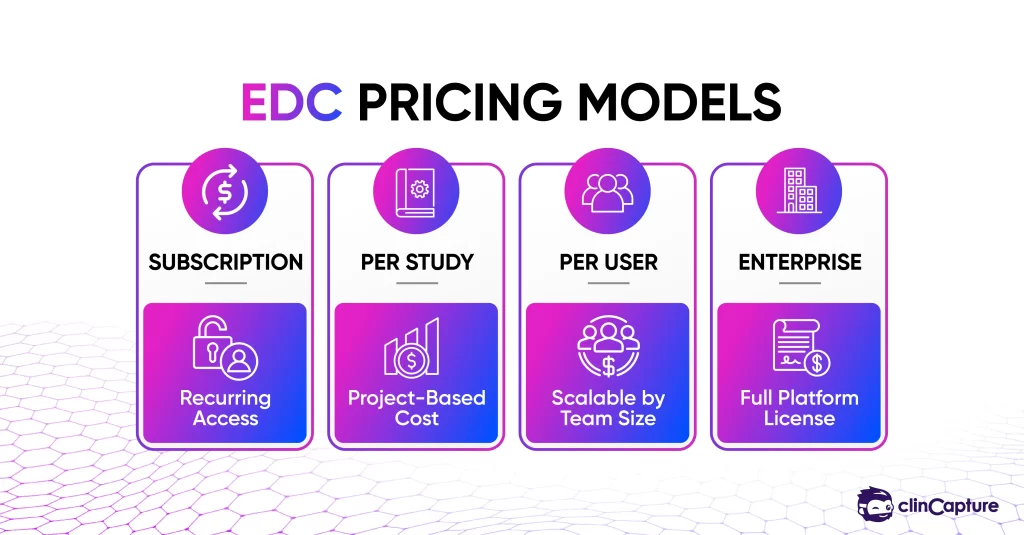
Understanding EDC Pricing Models
EDC software typically structure pricing in several different ways depending on the client and study requirements.
This model is similar to traditional SaaS.
Organizations pay a recurring fee for access to the platform.
-
Monthly or annual billing
-
Predictable cost structure
-
Scalable for multiple studies
Best suited for:
-
CROs
-
Organizations running ongoing trials
This is one of the most common models in clinical research.
Each study is priced individually based on its complexity.
-
Customized pricing per trial
-
Clear cost visibility per project
-
Widely used in sponsor–CRO relationships
Pricing is based on the number of system users.
-
Flexible for small teams
-
Can become expensive for large studies
-
Requires user management
This model is used by large pharmaceutical companies or organizations running multiple studies.
-
Flat annual or multi-year cost
-
Supports multiple trials
-
Higher upfront investment but better long-term value
Hidden Costs That Impact Total Pricing
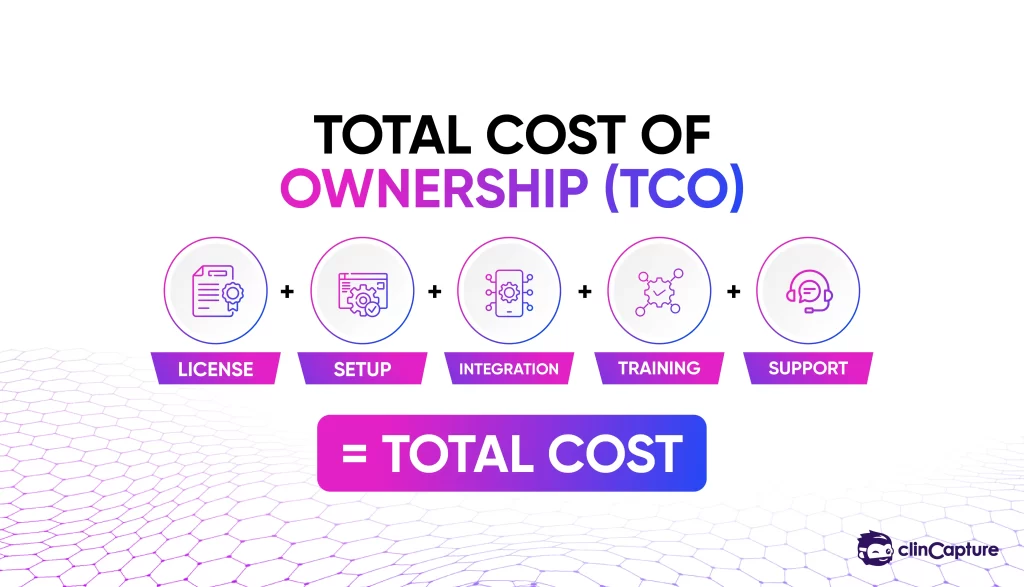
Many organizations underestimate the total cost of implementing an EDC system because they focus only on licensing.
In reality, several additional cost layers exist:
Before a trial begins, the EDC system must be configured.
This includes:
-
eCRF design
-
Validation rules
-
Workflow setup
These activities can significantly impact cost depending on complexity.
Modern clinical trials rely on multiple systems.
Common integrations include:
-
Laboratory data systems
-
ePRO platforms
-
CTMS
-
Imaging tools
Integration complexity can increase costs considerably.
Clinical trial teams need training to use the system effectively.
This may include:
-
Investigator training
-
Site onboarding
-
System documentation
After deployment, organizations need continuous support.
This includes:
-
Technical support
-
System updates
-
Issue resolution
Cost vs Value: What Sponsors Often Get Wrong
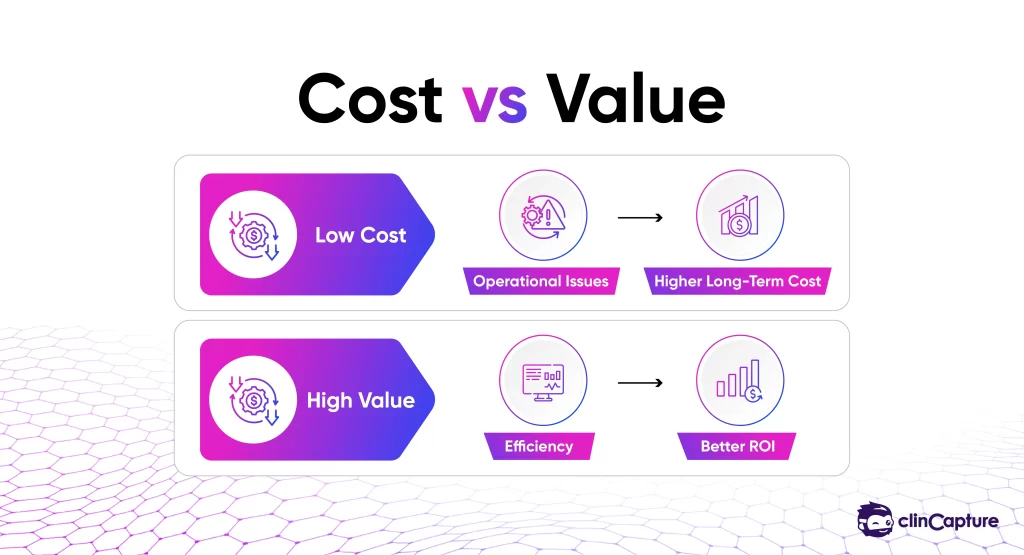
A common mistake is choosing an EDC system based solely on upfront cost.
However, lower-cost systems often create hidden inefficiencies.
-
Increased data errors
-
Higher query volume
-
Slower study timelines
-
Compliance risks
-
Cleaner datasets
-
Faster database lock
-
Reduced operational burden
-
Improved regulatory readiness
How to Optimize EDC Costs
Organizations can reduce costs without compromising quality by making strategic decisions.
-
Choose the right pricing model for your study
-
Avoid over-configuring unnecessary features
-
Prioritize scalability for future trials
-
Evaluate total cost, not just license fees
Where Modern Platforms Like Captivate Fit
EDC platforms are evolving beyond simple data capture tools.
-
Provide flexible pricing models
-
Adapt to different study sizes
-
Support scalable infrastructure
-
Reduce long-term operational costs
This makes them particularly relevant for:
-
CROs managing multiple trials
-
Biotech companies scaling operations
-
Sponsors running global studies
Example Cost Breakdown
Mid-Size Trial Example
Common Pricing Mistakes
Organizations often make avoidable mistakes when budgeting for EDC.
-
Focusing only on upfront cost
-
Ignoring integration and support costs
-
Underestimating study complexity
-
Selecting systems that don’t scale