

3 February, 2014, by ClinCaptureTeam

The “Cloud” gives the ability to access value-added services from anywhere at any time with a level of simplicity, flexibility, and cost-efficiency never seen before. In other words, the Cloud is the idea that you can use a service on-demand, as and when you want, and pay for what you use and only what you use. Simple.
Leveraging the Cloud for the drug development industry
It is becoming critical for the drug development industry to adopt new methods to deal with the ever-growing flows of clinical data; Industry analysts estimate that the data generated by the pharmaceutical industry doubles every six months. However, the drug development industry is still in the early stages of evaluating the applications of Cloud in its field.
One of the first applications to come to mind is the use of cloud computing to capture and manage patient’s clinical data across large clinical studies. Many foresee the emergence of “Cloud Data Capture” gradually replacing Electronic Data Capture (EDC), among other eClinical systems.
Big Pharma will adopt Cloud technologies for the scalability
In the Cloud, data is available in real-time from anywhere in the world, and the rapid elasticity afforded to cloud-based hosting solutions can virtually offer infinite scalability. Users are able to expand the volume of memory or bandwidth needed in a just a few clicks without having to rely on IT or knowing any programming. Thus it becomes logical for Big Pharma to look into Cloud technologies as these beneficial features correspond directly to the issues they face. In July last year, FierceBiotech reported that in 2013, Pfizer was pushing the use of Cloud computing for supporting an online clinical trial system developed internally. It should be noted here that many believe it is in the best interest of the Pharma industry (as big as they are) to rely on external vendors as far as novel eClinical technologies. Unsurprisingly Pfizer has since abandoned the project.
Small Pharma will go after cost-savings and usability
The Cloud is also of great interest for small to mid-sized biotech, medical device companies, as well as universities. The introduction, and growing adoption, of Cloud technologies for clinical trials is also bound to lower the cost of technology and thus the barrier to entry.
Considering that the adoption of Electronic Data Capture (EDC) systems has remained slow in a number of segments of clinical research (only 40% of Phase I clinical trials had adopted EDC by the end of 2012) we can argue that there is a long-lasting barrier to entry for EDC. It could be argued that this is almost certainly due to the cost of acquisition for the majority of systems on the market and the complexity and changes required in technology. Cloud service providers for the pharmaceutical industry need to tackle this challenge, and make technology available and affordable for smaller companies, where resources are limited but where innovation blossoms.
Ultimately, it is my belief that the Cloud will revolutionize healthcare by enabling pharmaceutical companies to bring their drug to patients faster at a lower cost. I look forward to seeing if the year 2014 will confirm our prediction!
Thank you for reading! See you next week to read “2014 Trends: New Pathways to Sponsor-Vendor collaboration (3/3)”
Read 2014 Trends: Patient-centered clinical studies(1/3) here.
Ale Gicqueau, President & CEO at Clinovo
————————————————————————-
Your blog eClinical Trends is powered by Clinovo.
————————————————————————-

Up Next
-
Read more +
9 December, 2025
demo2
-
 Read more +
Get Data Management Tips from ClinCapture’s Halloween LIVE Event
“My final question is for you Doctor, how do you spell TRIALZ?” Scott Weidley asked Dr. Geeta Nayyar, Salesforce's Chief Medical Officer, as he wrapped up a discussion between five industry leaders in the clinical trial and digital health space. The event “Hallowe -
 Read more +
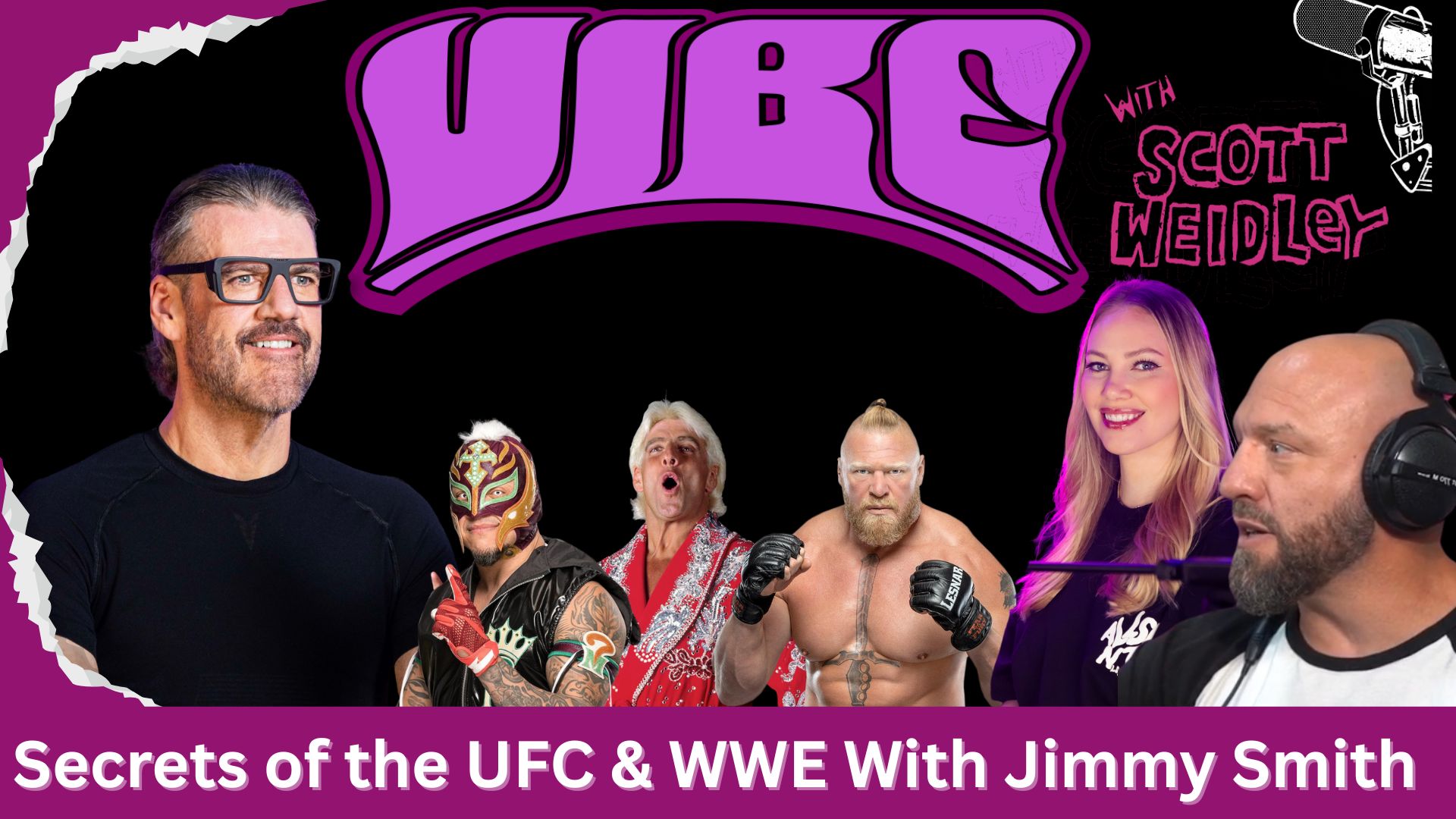
Behind the Scenes of UFC & WWE: Jimmy Smith Gets Real on Vibe with Scott Weidley
If you've ever wondered what it’s really like behind the bright lights of the UFC or the scripted chaos of WWE, this episode of Vibe with Scott Weidley pulls no punches. Scott and Amanda sit down